What to check before booking a private tour Barcelona style
Booking a private outing in Barcelona sounds simple until the details start to matter. The city rewards good planning. Narrow streets, timed entries, long lunch breaks, busy metro lines and popular landmarks can turn a relaxed day into a rushed one if the basics are not clear. Before paying for a private tour Barcelona visitors should check what is actually included, how the day is paced, and whether the route suits the people travelling.
A private visit is different from joining a large group. That does not automatically mean every part is tailored. Some routes are fixed, some allow changes, and some only offer a short window for questions. The best way to avoid disappointment is to read the fine print with a practical eye and compare it against the way you like to travel.
What you want to see, and what you do not need to see
Start with the route. Barcelona has several districts and landmarks that are often grouped together, but they do not all sit side by side. A day built around Sagrada Familia and Casa Batlló has a different rhythm from one centred on the Gothic Quarter, Barcelona Cathedral and nearby lanes. Park Güell adds hills and open views, while Montjuïc brings gardens, museums and a slower climb. La Boqueria Market works best when paired with a nearby area rather than treated as a full stop on its own.
Check the exact places named in the itinerary, then ask whether the route includes time inside each site or only time outside. Seeing a famous facade from the street is not the same as entering the building. If a landmark matters to you, make sure it is not simply passed on the way to somewhere else.
Also think about what you would happily skip. A packed route can look impressive on paper and feel tiring in person. A good plan leaves space for a coffee, a quiet street, or a change of mind. If you are travelling with children, older relatives, or someone who prefers fewer stops, a shorter route may deliver more than a day filled with famous names.
How the day is paced
Timing is one of the most useful things to check. Ask how long the tour lasts, when it starts, and whether there are proper breaks. A route that runs for hours without a seated pause can be hard in warm weather, especially in exposed areas. A visit that begins early may be calmer, but it may also clash with your own schedule.
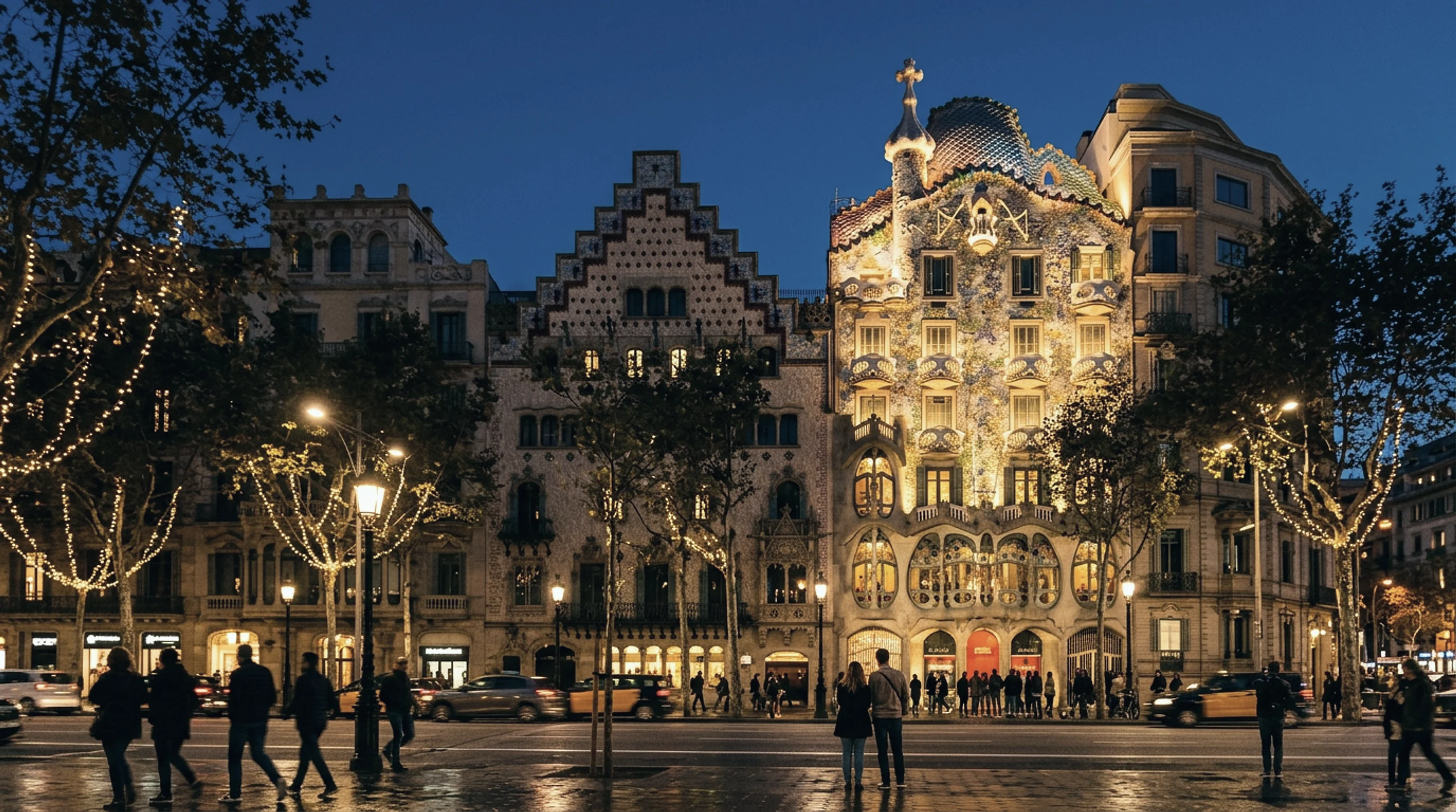
Pay attention to travel between stops. Barcelona is walkable in parts, yet distances add up. Hills, uneven paving, crowded pavements and crossings can slow a group down. If the plan includes several neighbourhoods, check whether transport between them is included and what form it takes. A route on foot may be fine for one person and demanding for another.
Private Tour in Barcelona can mean a more flexible day, but flexibility should be clear rather than assumed. Ask what can be changed on the day, such as the order of stops, the length of a break, or the balance between architecture and food. If there are limits, it is better to know them before the day begins.
Entry rules and timed access
Some of the city's best-known sites use timed entry or require advance arrangements. That makes it worth checking who handles the booking and what happens if plans shift. A name on an itinerary is not enough if entry times do not line up with the rest of the day.
Read the wording carefully around tickets, reservations and waiting. Questions worth asking include:
- Whether entry to named attractions is included or arranged separately.
- Whether the route changes if a site is closed, busy or fully booked.
- How much time is allowed inside, rather than only at the entrance.
- Whether there are dress, bag or photography rules at the places on the route.
- What the plan is for late arrivals, since timed access can be unforgiving.
These details matter because Barcelona draws visitors all year. A landmark can be busy even outside peak holiday periods. If a site has security checks or a strict entry slot, the day needs enough buffer around it. A tight sequence may look efficient, yet one delay can Affect several later stops.
The level of guiding and language
Check what kind of commentary is provided. Some visitors want a clear story about architecture, history and neighbourhood life. Others prefer a light touch, with room to browse and take photos. Both are valid, but they lead to different experiences.
Ask which language the tour is delivered in and whether requests can be noted in advance. If your group has mixed language needs, raise that before booking rather than on the day. Also check whether the guiding covers the whole outing or only selected stops. Long gaps with no context can feel awkward if you expected a continuous explanation.
A useful question is how the guide handles questions. A knowledgeable guide can bring a place to life, but the best pace depends on the group. If you like detailed discussion, look for a plan that allows time for it. If you prefer a calm stroll, a shorter briefing may suit better.
Group size and privacy
The word private is often used loosely, so check what it means in practice. Confirm whether the outing is for your group alone and whether any other travellers join. This is especially relevant for families, couples and celebration trips, where privacy changes the feel of the day.

Ask about the size of group the route is designed for. A large family may need a different pace from two people. If anyone uses a wheelchair, needs regular seating, or cannot manage long walks, mention this before booking. A route through old city streets may have charm and obstacles in equal measure.
Private Tour in Barcelona should fit the people using it, not push them into a fixed pattern. When needs are clear at the start, the day is easier to shape around them.
Meeting point and ending point
A practical detail that is easy to overlook is where the day begins and ends. Check the meeting point in plain terms: a square, a station, a cafe, or a landmark entrance. Then think about how you will get there from your accommodation. A central meeting point may still involve a crowded metro ride or a long walk in the heat.
Also check where the tour ends. If it finishes far from where you are staying, you need a plan for the return journey. Some routes end near a landmark that sounds convenient but sits some distance from a metro stop. If the day finishes near a meal stop, that can work well, provided it fits your plans rather than adding pressure.
Food, breaks and local habits
Food stops can be a highlight, yet they need careful checking. Ask whether tastings are included, whether they are seated, and whether dietary needs can be handled. A market visit, for example, may involve standing, browsing and sampling rather than a full meal. That is enjoyable for some visitors and disappointing for those expecting lunch.
Barcelona meal times can also differ from what some travellers expect. A late lunch may affect energy levels, especially on a walking day. If the route includes La Boqueria Market or a food-focused stop, check the timing and whether there is a proper break afterwards.
Cost boundaries and cancellation terms
Before committing, read what the price covers and what it leaves out. Look for entry tickets, transport, food, tips and any optional extras. The point is not to chase the lowest figure. It is to understand the total picture so the day does not come with surprises.
Check the rules for changes and cancellations in plain language. Travel plans shift, and a clear policy is easier to accept than an unclear one. Pay attention to deadlines, especially when a route depends on booked entry to popular sites. If the terms are hard to follow, ask for a simple explanation before paying.
Weather and backup plans
Barcelona is pleasant for walking, but sun, rain and wind can change the day. Check whether the route has shaded streets, indoor stops or places to sit. A plan heavy on open areas may feel very different in midday heat. Museu Picasso or another indoor stop can be useful when the weather turns, but only if it is part of a sensible backup rather than a rushed replacement.
Ask what happens if conditions make part of the route uncomfortable. A thoughtful plan may reorder stops or spend more time indoors. A rigid one may carry on regardless. Neither approach suits every traveller, so match the answer to your own tolerance for weather and walking.
Final checks before you book
Once the main details are clear, do one last pass for practical fit. Confirm the date, start time, meeting point, route, language, inclusions and change terms in writing. If anything is vague, clarify it before the day rather than relying on memory or assumptions.
A private outing works best when it matches your pace, interests and limits. Barcelona has enough layers to fill many days, so the aim is not to see everything. It is to choose the right pieces, give them enough time, and leave room for the city to make an impression.